November 19, 2026
When designing a kitchen, the choice of countertops is one of the most crucial decisions you'll face. Among the most popular options are quartz and granite countertops, each with its unique benefits and drawbacks. Let's take a moment to delve into these two heavyweight contenders in the countertop arena and help you determine which is the ultimate choice for your kitchen.
What is Granite?
Granite is a natural stone formed through the cooling and solidifying of magma deep within the earth's crust. Composed mainly of quartz and feldspar, granite countertops are known for their strength and durability, making them a popular choice. Its natural origin means each slab of granite is unique, with a distinct pattern and color variation. This uniqueness appeals to homeowners who desire a natural, earthy look that can range from subtle to dramatic. Besides its aesthetic appeal, granite's natural resilience is one of its most attractive attributes.
What is Quartz?
Unlike granite, quartz countertops are engineered products composed of crushed quartz stone mixed with resin and pigments. This manufacturing process allows for a wide variety of colors and patterns that remain consistent across the slabs. Homeowners appreciate this consistency, especially those looking for a more uniform appearance in their kitchen designs. In fact, according to the Freedonia Group, the U.S. countertop industry is worth $7.4 billion, with quartz contributing significantly as a popular choice among consumers.
Quartz possesses a hardness similar to granite, offering excellent scratch resistance. However, due to its engineered nature, it does not require sealing, making it virtually maintenance-free. This benefit appeals to busy homeowners who prefer a countertop that doesn't require periodic upkeep. Moreover, quartz's non-porous surface prevents bacteria and stains from penetrating, which is particularly important in a kitchen environment. These factors combined make quartz attractive for those seeking a countertop that balances aesthetic flexibility with practical performance.
Natural vs. Engineered Stone
The primary distinction between granite and quartz lies in their composition. Granite is mined as a whole slab from quarries, cut into surface-ready sections, polished, and shipped to projects worldwide. Each slab has unique patterns and color variations, which is appealing for those desiring a natural touch. Conversely, quartz's engineered nature provides a consistency that natural stones can't offer, ensuring a uniform design throughout the space. The choice between natural and engineered stone often depends on personal preference for uniqueness versus uniformity.
While granite countertops offer a distinct inscription of natural beauty, quartz offers an equally compelling aesthetic through modern engineering innovations. The predictability of quartz slabs in terms of color and patterns can be crucial for achieving a consistent kitchen design, especially when precision and uniformity are desired. On the other hand, granite's randomness can introduce an element of surprise and natural beauty, integrating seamlessly however the patterns coincide. This creates a special kind of beauty that can range from subdued elegance to bold statement features within the kitchen space. Ultimately, the decision may hinge not only on aesthetics but also on functional needs specific to each home.
Color Variety and Patterns in Granite
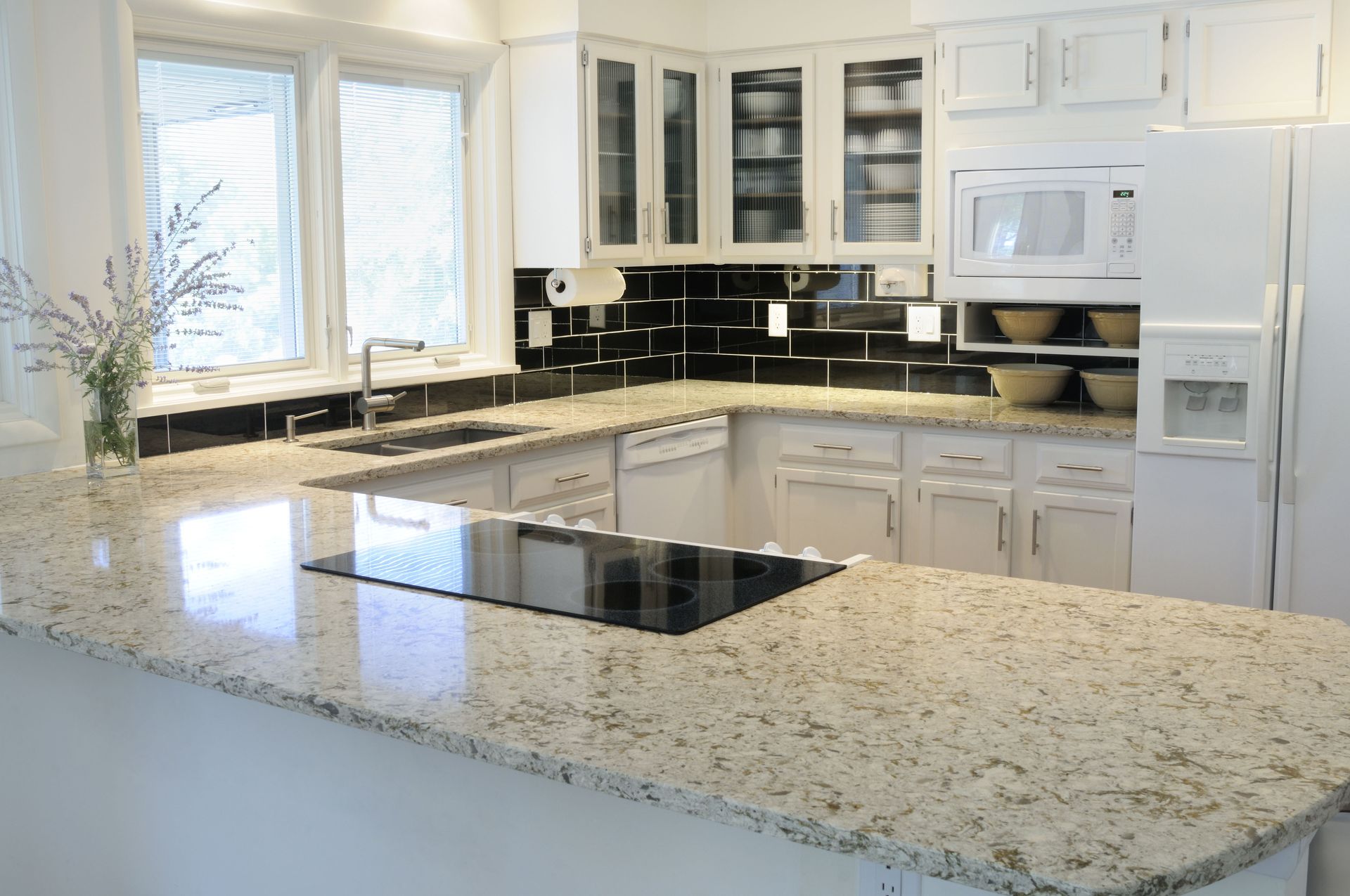
Granite countertops enchant with their natural beauty and are known for their wide variety of colors and patterns. Each slab is unique, offering exclusive patterns formed naturally over millennia that can feature complex swirls, specks, veins, and streaks. This variety allows homeowners the flexibility to find a piece of stone that speaks to their aesthetic sensibilities and complements the existing decor of their kitchen. A multitude of granitic options enhance the range of application possibilities. The array of colors, from deep blacks to bold greens or fiery reds, makes granite incredibly versatile in design.
Pattern variability in granite is another of its defining attributes. Homeowners have the opportunity to select slabs with bold, impactful patterns to create a statement piece; alternatively, they may opt for softer patterns that provide a subtle elegance. The choices in granite ensure no two kitchen installations will look exactly the same, delivering bespoke design potential. This inherent uniqueness is why many prefer granite, as it elevates their culinary environment into something eye-catching and distinctive. By selecting specific slabs or edges, different colors of beige or grey can match a kitchen's ambient light, enhancing its visual distinction.
Quartz's Color Range and Consistency
Quartz countertops are celebrated for their considerable color range and unparalleled consistency. The engineering process allows control over the pigments and the percentage of resin, creating nearly any conceivable color or pattern. This allows quartz to provide everything from neutral palettes to bold, vibrant tones that would be unlikely to occur naturally. For those seeking a highly personalized look, or aiming to follow specific design trends, quartz can be manufactured to suit precise demands. The colors extend into natural-looking imitations, offering shades simulating marble's elegance or granite's unique depth.
Consistency in quartz surfaces is one of its hallmark features and benefits, especially when compared to natural stone options. The uniform appearance is especially desirable in large kitchen applications, as it eliminates variation between multiples slabs. This is an essential characteristic that eases the process for expansive design layouts, reducing the need to balance contrasting patterns. The homogeneous style offers a modern appeal and ensures repeatability across surfaces, unifying the aesthetic across different sections of the kitchen with great precision. For designers and homeowners who favor symmetry and systematic appearance, quartz is a clear favorite.
Matching Your Kitchen Style
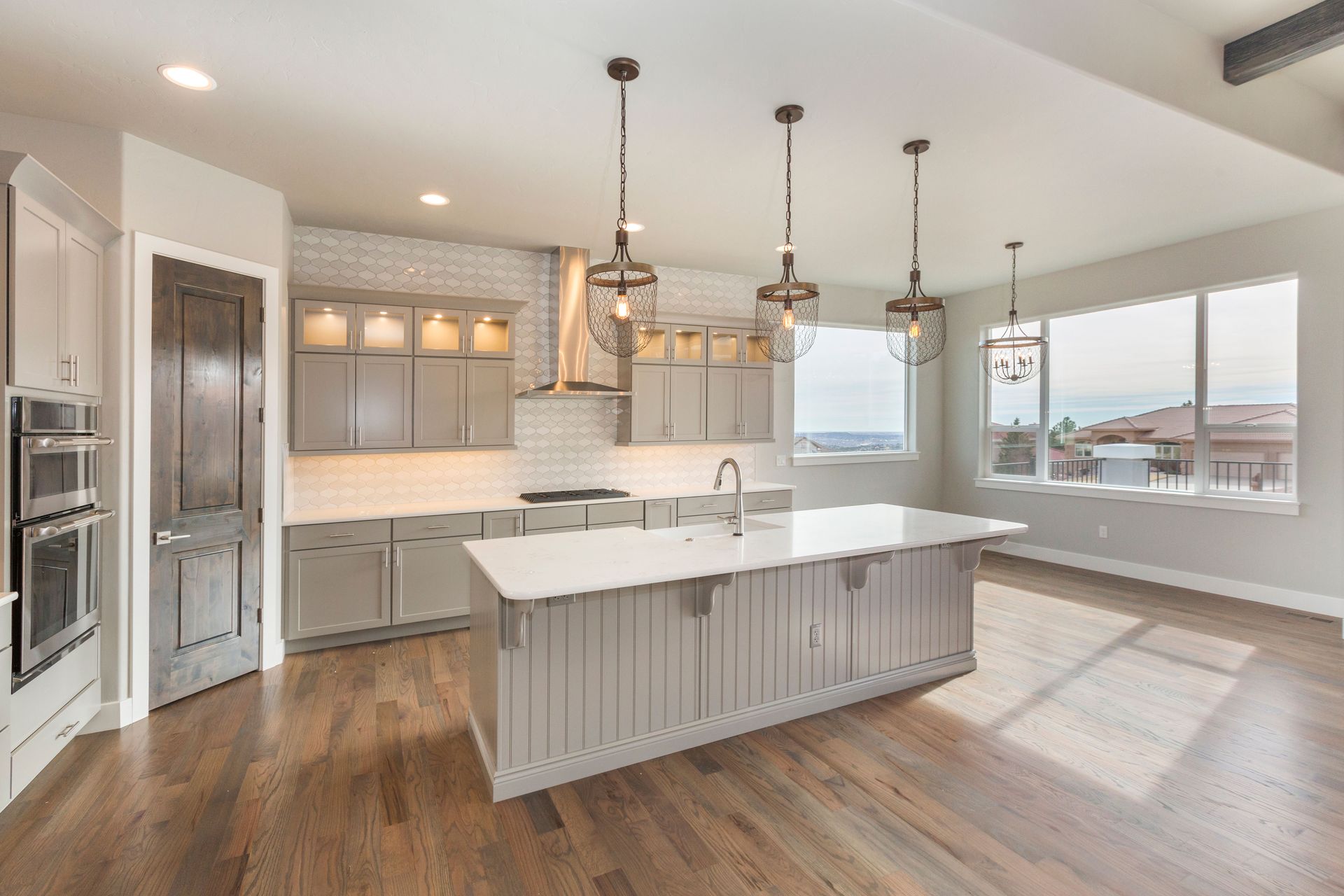
The decision to opt for quartz or granite countertops can significantly influence and enhance the overall theme or style of your kitchen. Granite naturally lends itself well to traditional, rustic, or earthy themes due to its organic, varied texture and rich colors. Naturally occurring, dynamic patterns can complement wooden cabinetry, stone flooring, and warm color palettes with ease. Granite-rich designs are ideal for country-style or classic kitchens, where the highlight lies in embracing elegant yet welcoming aesthetics. Its flexibility in color and pattern allows selection as either the focal point or an elegant contribution to cohesive kitchen environments.
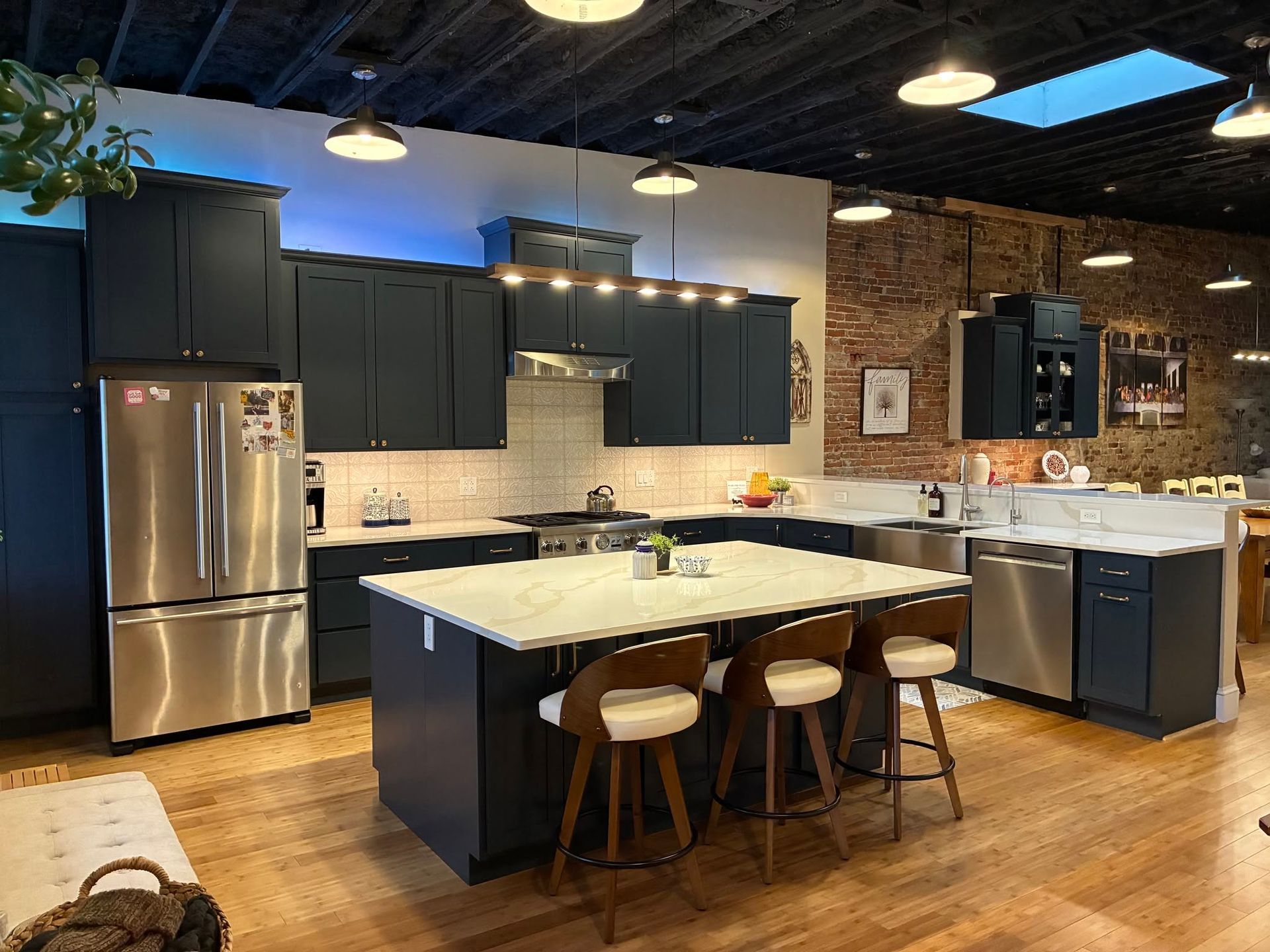
Quartz, alternatively, is perfect for modern, minimalist, or contemporary kitchen styles thanks to its sleek, clean lines, and consistent patterns. Its extensive palette can mimic designer finishes, which, when paired with high-gloss cabinetry and stainless steel appliances, forms a high-tech, polished kitchen layout. Moreover, the capability to produce precise, uniform color schemes aligns seamlessly with monochrome or subtle palettes favored in today's modern settings. The refinement of proficiency in manufacturing technique further allows or creates opportunities for avant-garde fusions and industrial chic elements within urban kitchen settings.
The Role of Finish: Polished vs. Honed
The finish of a countertop is a crucial aesthetic and functional consideration when choosing between granite and quartz. Polished finishes create a glossy, reflective surface that enhances the color and pattern of both granite and quartz slabs. This high gloss appeals to those who prefer a luxurious, sophisticated look, adding a degree of luminosity and richness to the kitchen environment. The polished surface is also easier to clean, as it resists stains and dirt build-up, thus improving everyday usability. However, its reflective nature can also highlight fingerprints and smudges; hence, regular wiping is necessary to maintain the polished allure.
Honed finishes, meanwhile, offer a matte, non-glossy surface that provides a more subtle aesthetic. It is characterized by its smooth texture, which mutes the vibrant colors and patterns in natural stone or engineered materials, leading to softer, understated elegance. This finish is particularly adored in farmhouse, industrial, and casual kitchen styles where understated sophistication remains preferable. Though it requires more maintenance since it tends to be more porous and susceptible to staining, many homeowners prefer its more relaxed, natural feel. Honed finishes create a cozy ambiance that balances both modern and vintage kitchen elements beautifully.
Choosing between quartz and granite countertops ultimately comes down to whether you prioritize the bespoke, organic character of natural stone or the sleek, low-maintenance uniformity of modern engineering. By weighing your daily maintenance tolerance, culinary habits, and aesthetic vision, you can confidently choose the countertop that elevates your kitchen. To learn more, reach out to the experts at The Countertop Shop!