November 12, 2026
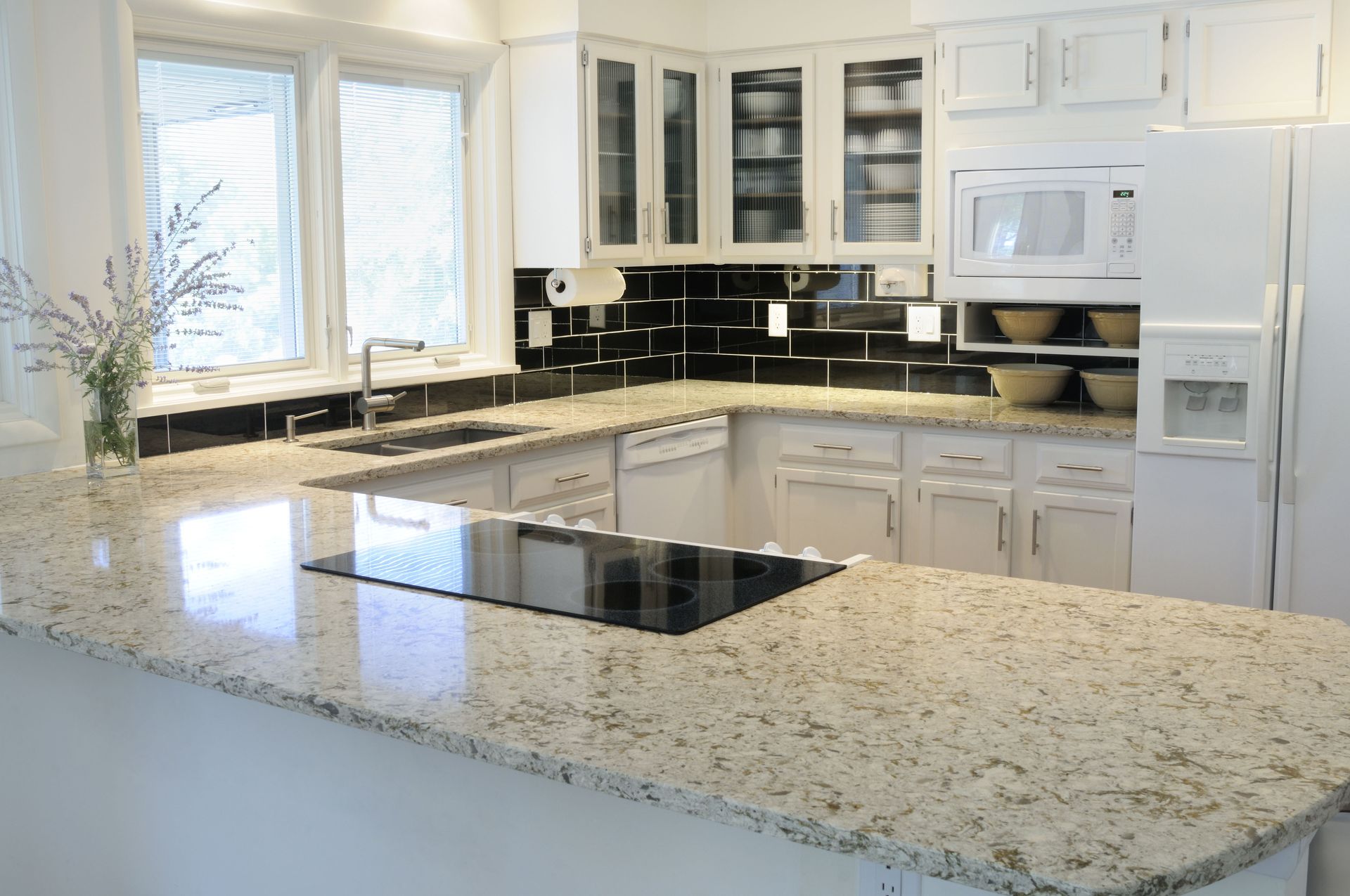
Installing natural stone surfaces within a residential kitchen or master bathroom represents an enduring commitment to architectural elegance, functional resilience, and elevated property value. Mined from deep subterranean continental quarries, igneous stone slabs boast unique crystalline patterns, rich mineral veining, and remarkable structural density formed under intense geological pressure over millennia. While synthetic composite alternatives frequently cycle through interior design trends, natural stone retains a timeless prestige that elevates modern living spaces. According to Houzz, 24% of homeowners still select granite countertops for renovations. This sustained popularity reflects an appreciation for natural stone's unmatched beauty, superior heat resistance, and enduring scratch resistance. However, preserving the pristine polish, vibrant color depth, and smooth texture of natural stone surfaces requires dedicated daily care and proactive maintenance practices. Understanding the unique mineral characteristics of natural stone empowers property owners to avoid common cleaning mistakes, shield surfaces from chemical etching, and prevent stubborn liquid staining. Investing in consistent, thoughtful stone preservation safeguards your kitchen investment, protects residential equity, and guarantees breathtaking visual appeal across every changing season. Establishing proper daily habits ensures your stone surfaces remain a captivating focal point for decades. Understanding stone care protocols prevents costly repairs and ensures a protected kitchen environment.
Practicing Gentle Daily Surface Cleaning Protocols
Maintaining a mirror-like surface polish begins with establishing consistent, non-abrasive daily cleaning routines tailored specifically for natural stone surfaces. After preparing family meals, surface areas inevitably collect cooking grease, food crumbs, sauce splatters, and liquid spills that dull natural stone gloss if left unattended. Caring for natural granite countertops requires wiping down surfaces using a soft microfiber cloth dampened with warm water and a few drops of mild, neutral liquid dish soap. Property owners should avoid using abrasive scouring sponges, wire brushes, or coarse scrubbers that cause microscopic surface abrasions and strip away protective stone sealants over time. Rinsing surfaces thoroughly with clean, warm water removes residual soap film, preventing hazy streaks from obscuring natural mineral veining. Furthermore, buffing the stone dry immediately with a clean, plush towel prevents unsightly hard water spots from forming along polished edges. Gentle daily cleaning preserves surface luster, maintains hygienic food prep zones, and protects underlying stone minerals effortlessly. Multi-point surface cleaning preserves luster while removing food residues. Routine wiping with clean microfiber cloths keeps meal prep areas fresh and hygienic.
Applying Penetrating Sealants for Moisture Defense
Shielding subterranean natural stone from liquid absorption requires maintaining a continuous, high-performance protective barrier deep within microscopic stone pores. Although igneous stone boasts exceptional hardness, natural capillary networks and fissures remain inherently porous, leaving unsealed surfaces vulnerable to moisture penetration. Preserving residential granite countertops involves testing sealant integrity periodically by sprinkling clean water droplets across high-use areas and observing absorption rates. If water droplets bead tightly across the surface, the existing sealant barrier remains intact; however, if water darkens the stone, applying fresh penetrating sealant becomes necessary. Homeowners should select high-grade, breathable penetrating sealants that sink deep into stone pores rather than forming a cheap, peeling topcoat. Applying sealant evenly with clean lint-free cloths and buffing away excess haze before drying creates an invisible shield against liquid penetration. Regular sealing prevents deep moisture intrusion, protects delicate mineral formations, and keeps stone looking vibrant. Breathable impregnating sealants penetrate deep beneath surface layers without creating surface buildup. Regular water droplet testing provides confirmation that protective sealants remain active.
Choosing pH-Balanced Cleaners and Banning Acidic Chemicals
Navigating daily household cleaning products requires strict chemical awareness to prevent irreversible surface etching and sealant degradation across natural stone installations. Common household cleaners—including distilled white vinegar, citrus-infused degreasers, ammonia sprays, bleach, and tub cleaners—contain harsh acids or aggressive alkalis that destroy protective stone sealants. Cleaning polished granite countertops demands dedicated pH-neutral stone formulations engineered specifically to dissolve cooking grease without reacting chemically with underlying calcium or feldspar minerals. Acidic compounds eat away at polished stone surfaces, causing dull, rough spots known as chemical etching that require professional diamond repolishing to correct. Furthermore, avoiding abrasive powders, rust removers, and bathroom lime descalers shields natural stone surfaces from chemical discoloration and premature surface degradation. Utilizing pH-balanced cleaning solutions preserves protective sealant layers, enhances crystalline clarity, and prolongs the life of your kitchen investment. Formulated stone cleaners lift surface grime effortlessly without stripping protective barriers. Banning acidic agents prevents chemical etching and maintains crystalline clarity across your surfaces.
Preventing Thermal Shocks and Eliminating Surface Scratches
Preserving structural stone integrity involves adopting proactive food preparation habits that shield stone slabs from extreme thermal stress and mechanical impact. While igneous stone naturally forms under extreme geothermal temperatures, sudden localized temperature shifts—known as thermal shock—can trigger hairline fissures across polished slabs. Utilizing granite countertops safely means placing heavy silicone trivets, hot pads, or insulated wire racks beneath boiling stockpots, sizzling cast-iron skillets, and electric slow cookers. Furthermore, while natural quartz minerals resist minor abrasions, cutting food directly upon stone surfaces dulls expensive chef knives while creating fine scratch tracks that trap grime and bacteria. Utilizing thick wooden or composite cutting boards protects polished stone finishes and preserves culinary cutlery sharpness simultaneously. Mindful kitchen practices eliminate mechanical gouging risks, prevent structural thermal fractures, and ensure flawless daily utility throughout meal preparation. Using heat-resistant trivets beneath heavy cookware shields mineral bonds against thermal expansion stress. Mindful preparation habits preserve mirror-smooth finishes and eliminate scratches.
Managing Tough Organic Stains and Oil Discoloration
Addressing stubborn food stains or deep oil discoloration promptly prevents dark pigments from anchoring permanently inside porous natural stone structures. When accidental wine drips, dark coffee rings, beet juice, or cooking oil settle into stone pores, standard surface wiping often fails to lift trapped discoloration. Restoring affected granite countertops involves applying specialized poultice treatments composed of baking soda or diatomaceous earth mixed with clean water or mild hydrogen peroxide. Spreading this thick paste over the stained area, covering it with plastic wrap, and allowing the poultice to dry completely draws trapped liquids upward out of stone capillaries through capillary evaporation. Once dry, sweeping away the powder and wiping the stone with warm water reveals a restored, spotless finish. Addressing stain emergencies promptly protects natural stone aesthetics, reverses unsightly surface blemishes, and avoids expensive professional stone restoration services. Poultice pastes draw deeply embedded oils out of porous capillaries safely without scratching surface polishes. Addressing liquid spills immediately prevents stubborn stains.
Caring for natural stone surfaces requires establishing gentle daily cleaning routines, applying penetrating sealants, selecting pH-neutral formulas, avoiding thermal shock, treating stains promptly, and scheduling periodic professional polishing. Adopting mindful kitchen habits—such as using cutting boards, placing hot pads beneath hot cookware, wiping up spills immediately, and avoiding harsh acidic cleaners—preserves natural stone beauty and structural durability effortlessly. Protecting your residential stone investment with proper maintenance protocols prevents deep staining, eliminates chemical etching, and maintains a mesmerizing crystalline gloss across every living space. Investing time into thoughtful stone care transforms daily kitchen upkeep into a rewarding preservation routine that honors nature's geological craftsmanship. Prioritizing proactive maintenance safeguards household equity, enhances daily living comfort, and delivers lasting satisfaction for generations of family gatherings.
At The Countertop Shop, our dedicated team brings deep stone expertise, master fabrication craftsmanship, and an unwavering commitment to quality on every residential project we manage, ensuring your home achieves maximum architectural beauty, long-lasting surface durability, and timeless elegance across every custom installation. Contact us today or visit our showroom to schedule your comprehensive design consultation and discover the lasting benefits of working with trusted stone professionals.