April 28, 2026
Planning an outdoor kitchen is an exciting endeavor that can enhance your outdoor living space significantly. The key to a seamless construction process lies in creating a well-structured timeline. This timeline functions as your roadmap, guiding each phase of the project from conception to completion. An organized timeline helps manage expectations, reduces the likelihood of unexpected delays, and ensures that the outdoor kitchen meets your vision and needs.
Initial Planning and Conceptualization
Establishing a clear budget is the first step in planning your outdoor kitchen. This initial stage ensures you have a realistic framework for what you can achieve within your financial means. Consider all aspects, including fixed expenses like materials and appliances, as well as variable costs such as labor and unexpected adjustments. By having a defined budget, you can prioritize the essential features you need and allocate resources accordingly. It's important to leave some room in your budget for contingencies to accommodate any unforeseen expenses that might arise during the project.
Identifying the main objectives of your outdoor kitchen helps shape the design process. Start by asking yourself how you plan to use the space — whether it's for casual gatherings, formal entertainment, or as an extension of your indoor kitchen. Define the primary functions the kitchen should serve, such as grilling, refrigeration, or outdoor dining. Assessing your specific needs will dictate the structural and functional elements required to bring your vision to life. With a clear understanding of your objectives, you can also begin researching materials early, including visiting a
countertop showroom to get a sense of pricing and style options that fit within your budget.
Design Development and Selection
Selecting a cohesive design style sets the aesthetic direction for your outdoor kitchen. Consider styles that resonate with your overall home architecture and personal preferences, such as rustic, modern, Mediterranean, or industrial. A harmonious design complements existing outdoor spaces and enhances the overall curb appeal of your property. Consistency in design elements like color schemes, textures, and accents ensures that the outdoor kitchen seamlessly integrates with its surroundings. Collaborating with a professional designer can provide valuable insights into the selection process, ensuring all design elements work together harmoniously.
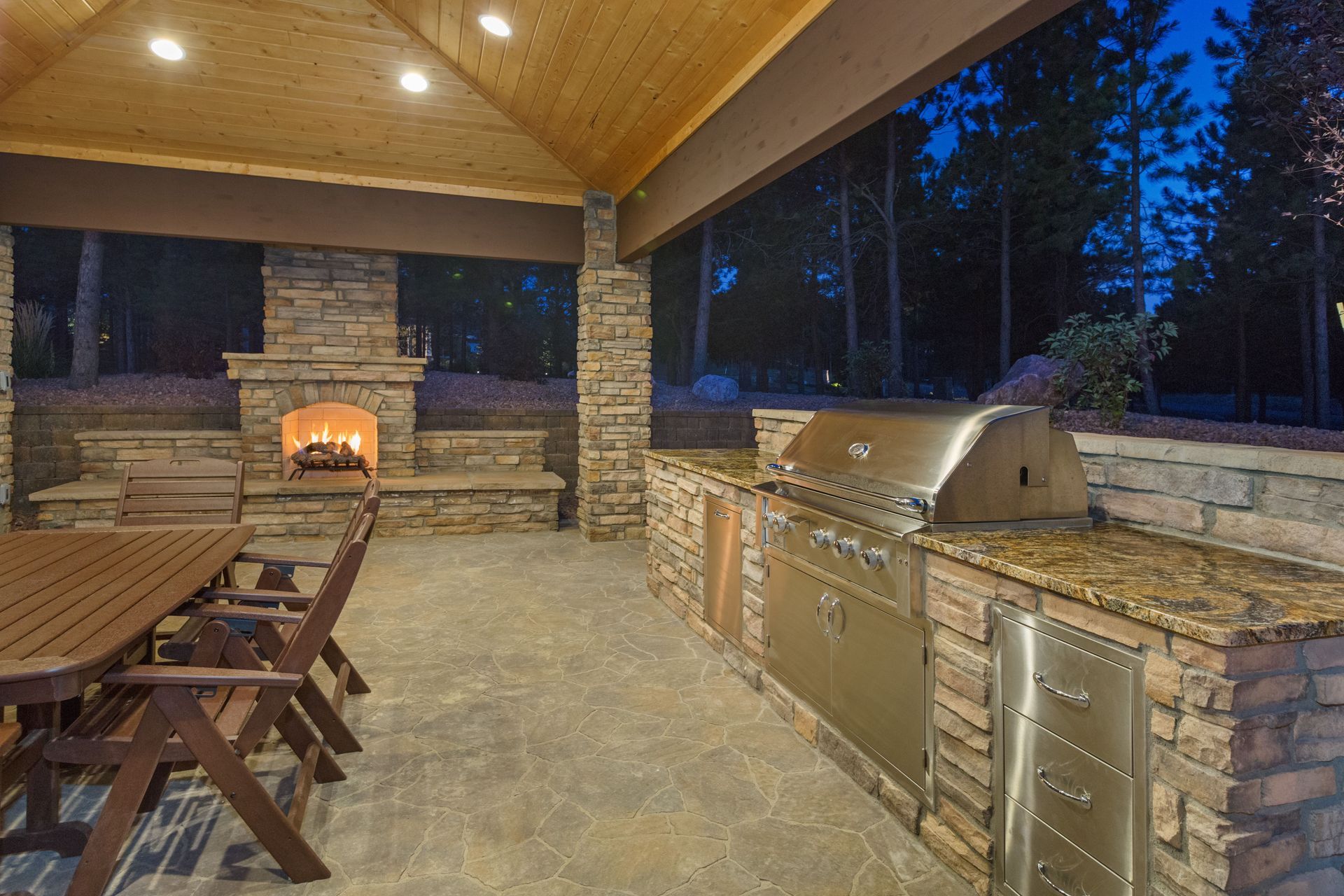
Choosing the right layout and dimensions is vital for maximizing functionality and flow within your outdoor kitchen. Reflect on factors such as available space, local climatic conditions, and intended usage when determining the optimal configuration. Common layouts include U-shaped, L-shaped, or a straight-line design, each with different benefits depending on your functional needs and spatial constraints. Thoughtful planning of the dimensions allows sufficient space for movement and workflow between cooking, prep, and entertainment areas. The layout should be efficient, promoting ease of use while accommodating all essential utilities and features. During this stage, visiting a countertop showroom can be especially helpful, as it allows you to compare materials in person and select surfaces that align with both your design vision and durability needs.
Permitting and Approvals
Securing the appropriate permits and approvals is a critical step in the construction timeline for your outdoor kitchen. Begin by assembling all necessary documentation, including site plans, architectural drawings, and proof of property ownership. Documentation should be comprehensive, as incomplete submissions can result in delays or rejections in the permitting process. Engage with local building authorities to confirm the specific documents required for your project's scope and complexity. Thorough preparation ensures a smoother permitting process and demonstrates compliance with local regulations.
Submitting permit applications is a procedural yet vital step in launching the construction of your outdoor kitchen. Depending on your location, applications may need to be submitted to various local departments, such as zoning, health, or fire departments. Be prepared for application fees and the possibility of a waiting period based on local government processing times. Keeping organized records of all submitted documentation can streamline follow-ups or corrections needed. As the process unfolds, maintaining open communication with review authorities can help address potential questions or adjustments efficiently.
Contractors and Procurement
Researching and selecting the right contractors is imperative for bringing your outdoor kitchen to life with expertise and precision. Begin by gathering referrals from trusted sources or searching for reputable contractors online with proven track records in similar projects. Evaluating their credentials, portfolios, and client reviews provides insight into their capabilities and reliability. Conducting interviews or consultations helps assess their understanding of your vision and whether they can align their services with your timeline and budget constraints. Choosing seasoned professionals who communicate well and possess a strong knowledge of outdoor kitchen construction sets a solid foundation for project success.
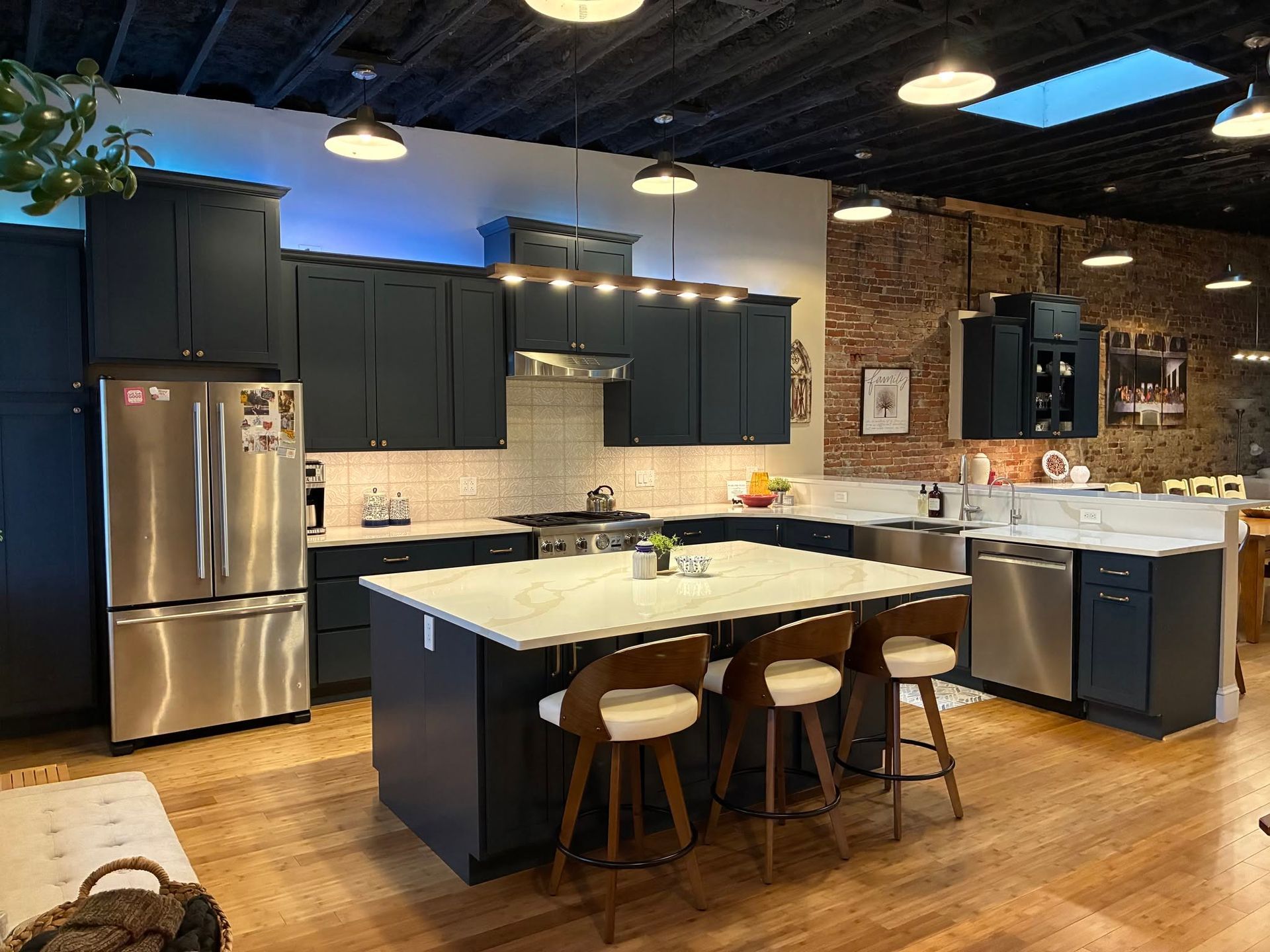
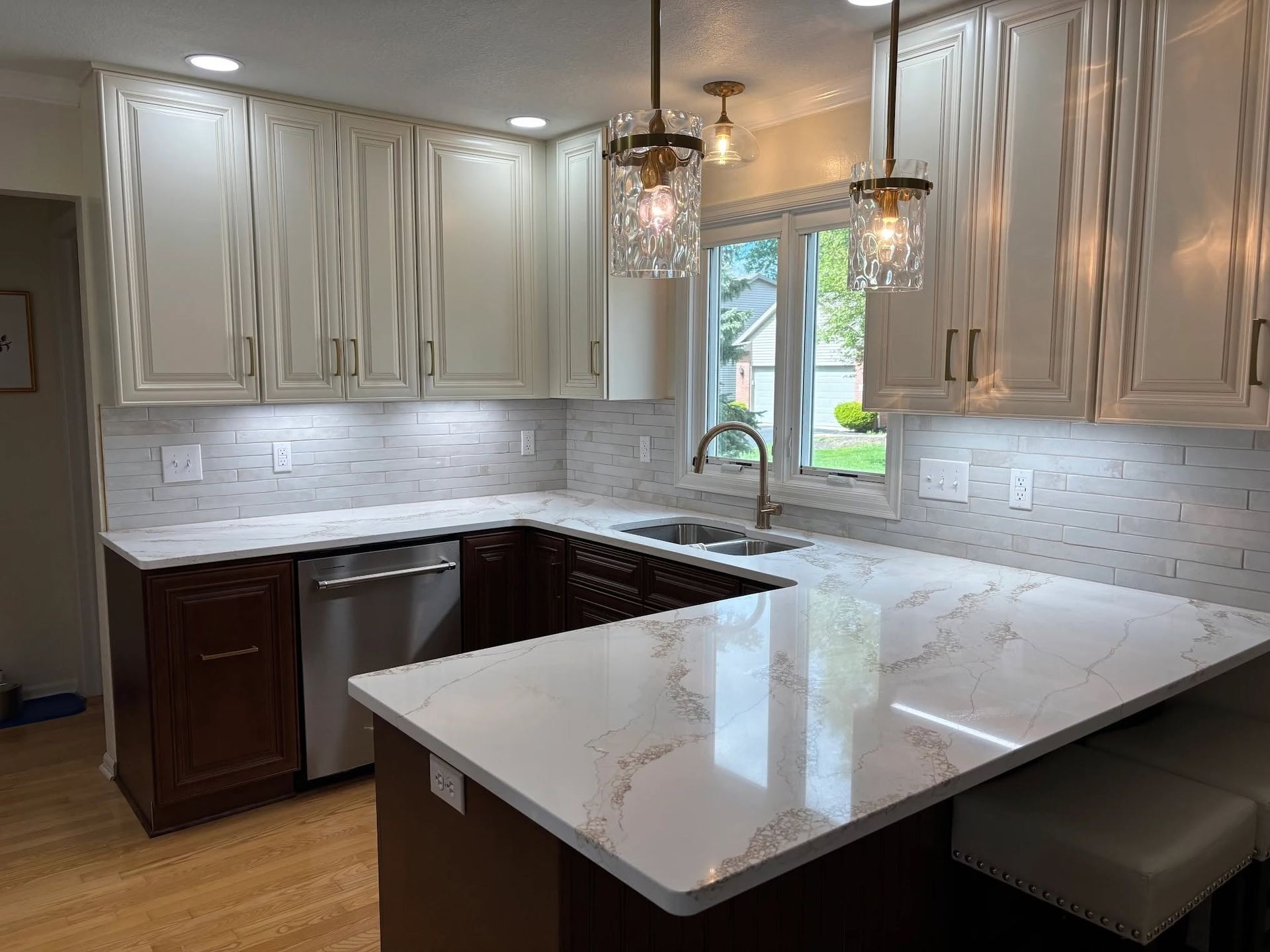
Soliciting and comparing bids from multiple contractors is a strategic approach to ensuring competitive pricing and service quality. By inviting detailed proposals from shortlisted contractors, you gain clarity on cost structures, including labor, materials, and potential contingencies. Comparing bids not only highlights financial factors but also emphasizes differences in the scope of services offered and project timelines proposed. Many contractors also collaborate with a local countertop showroom, giving you the opportunity to review samples and finalize your selections before construction begins. Touring a countertop showroom at this stage can help you confidently choose materials that balance aesthetics, performance, and cost.
Construction Phase
Proper site preparation and setup are crucial to the successful construction of your outdoor kitchen. This phase involves clearing the designated area, leveling the ground, and marking key dimensions to ensure precision. Attention to detail during this stage prevents foundational issues that could impact structural integrity later on. According to U.S. News, concrete, often used in foundational work, takes 4–10 weeks to cure completely, depending on the humidity and additives in the concrete. Taking this into account when scheduling tasks ensures efficient progress while laying down a strong foundation to support further construction activities.
The foundation and structural work represent the core building blocks of your outdoor kitchen. Beyond constructing a robust base, this phase includes erecting walls and any permanent structures integral to the kitchen’s layout. Using weather-resistant materials ensures longevity and withstands environmental elements over time. Extra attention to accurate measurements and leveling throughout structural work reduces future headaches related to appliance installation or decking misalignments. Professional oversight during this stage guarantees adherence to building codes and project blueprints, securing a stable infrastructure that aligns with your overall design vision.
Finishing Touches and Inspections
Conducting a thorough final clean-up and landscaping enhances the presentation and usability of your new outdoor kitchen. This involves removing construction debris, washing surfaces, and performing minor touch-ups where necessary. Landscaping integrates the kitchen into the broader outdoor environment, with options for planting, paving, or adding decorative elements like water features or fire pits. Thoughtful landscaping contours the area, optimizing spatial flow and creating a tranquil ambiance for social gatherings. A well-maintained environment complements the kitchen, offering a polished and inviting space for initial usage and demonstration.
Setting up decor and furniture infuses your outdoor kitchen with charm and personality. Focus on selecting comfortable, weather-resistant furniture that caters to your entertainment and relaxation needs. Accessories like cushions, lighting, and decorative features bring character and functionality to the setting, accommodating style preferences and comfort levels. Coordinating these elements with your broader design theme fosters continuity, enhancing aesthetics and usability. If final surface details are still being considered, a visit to a countertop showroom can inspire finishing touches such as bar tops, prep areas, and complementary design elements. Proper arrangement enhances the kitchen's functionality, ensuring an inviting, practical space tailored to host casual suppers or lively celebrations.
Building an outdoor kitchen is a rewarding investment that requires careful planning, coordination, and attention to detail at every stage. By following a structured timeline—from initial budgeting and design to permitting, construction, and final touches—you can minimize delays and ensure a smooth, efficient process. Taking advantage of resources like a countertop showroom along the way can further refine your design choices and elevate the finished result. Contact The Countertop Shop today for more information.